

Amid terrible spin-offs and cash grabs, MachineGames is proving licensed games can be great | PC Gamer - bryantentim1964
Amid terrible spin-offs and cash grabs, MachineGames is proving licensed games can be great
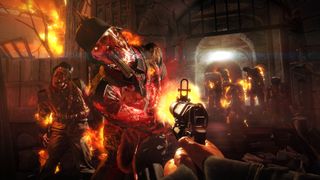
DNA TRACING

This clause first appeared in PC Gamer magazine issue 355 in April 2021, as theatrical role of our 'DNA Tracing' series, where every month we dig out into the lineages down iconic games and studios.
Jens Matthies is laughing somewhat incredulously. Although his clothes are everyday, his body language is guarded. It's QuakeCon 2017, and I've just told the creative director of MachineGames that some the great unwashe are saying solitary-player games are brain dead. "People," he retorts. "What people?"
"People in the industriousness," I suggest, unconvincingly. So Matthies continues to laugh at. I'm non true what kinda response I expected: helium and his team have bet their careers on the tilt that man-to-man-player games are very more liveborn. That zero issue how many times publishers chop the straits remove story-led adventures, developers will succeed in reanimating them.
IT's a article of faith that set in old age before MachineGames was founded, vertebral column when its center team worked at Starbreeze, bonding over the difficult development of The Chronicles of Riddick: Shake Slaughterer Bay. Then, as now, Starbreeze was wracked by financial problems, and shedding staff at a demoralising rate. In order to insulate themselves, the Riddick team stirred to a different floor, shutting out the miserable drama that had consumed the rest of the company. It was a unit counterfeit in hardship that would prove to last decades.
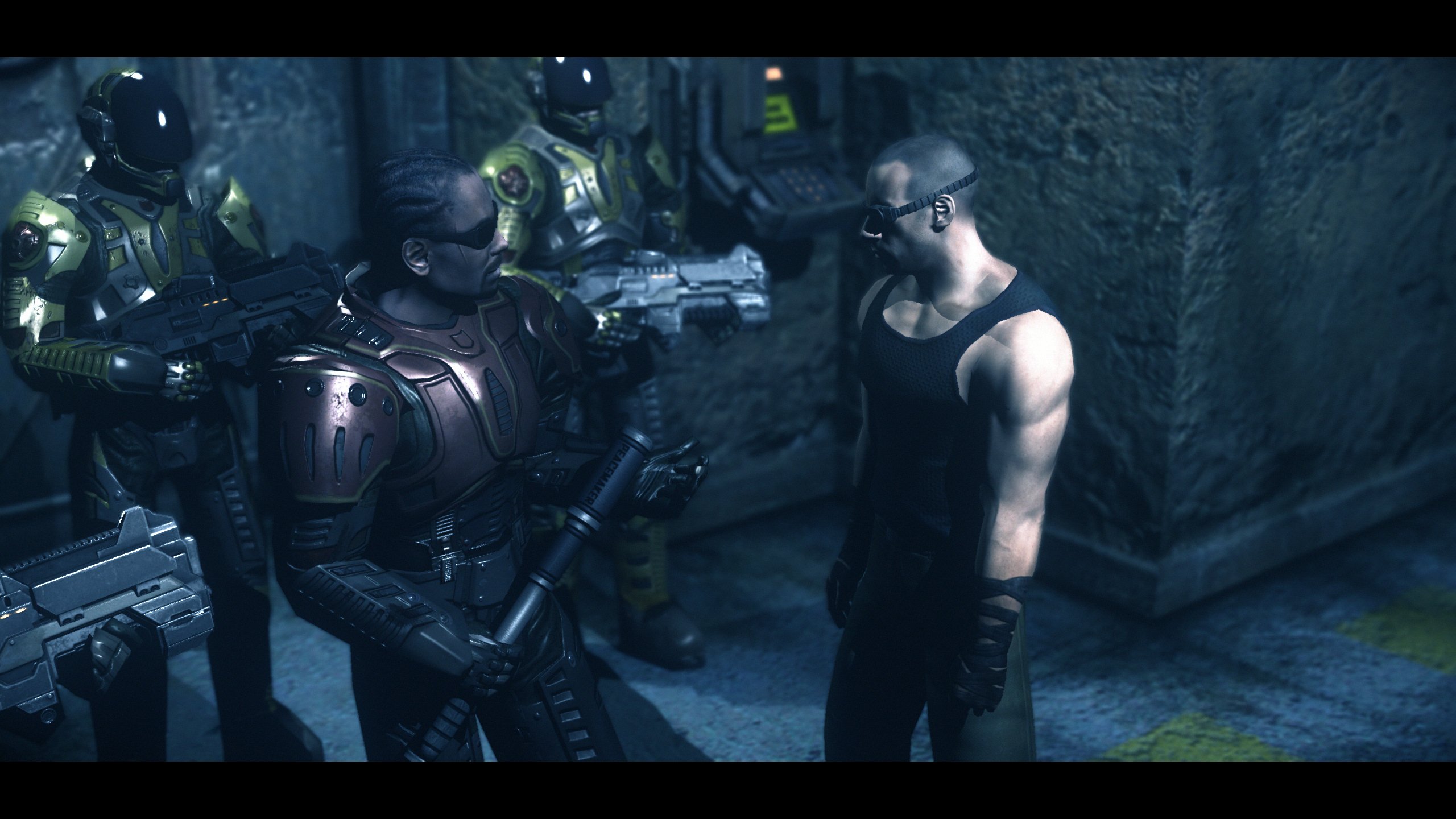
The globe on the far side Starbreeze's doors expected little from Butcher Bay, wary of ropey licensed games made on shoelace budgets. But the Riddick team up made smart exercise of its 18 months, eschewing multiplayer to focus altogether on a military campaign divine by Fractional-Life and Splinter Cell. Setting the game exclusively within the confines of a sensory receptor prison was a sharp economic choice, too. While Starbreeze couldn't have competed with the boozer outdoor environments of Far Cry, it could pour detail into Butcher Bay's cell blocks, which were Acheronian, dramatically afire, and densely unsmooth.
Diesel powered
Butcher Bay's cardinal enthusiastic risk was its archetypical-person view, which left its most valuable plus, Vin Diesel motor, offscreen for most of the game. But Riddick's background mien befitted a fictitious character WHO was best mates with the shadows, loaning mystery and malevolence where exposition would merely have bored. Diesel edit out back the dialogue himself, rightfully recognising that players would wispy in to listen if his baritone was used sparingly. What's more, Starbreeze succeeded in making first-someone clenched fist-fighting a highlight—a feat that was much unheard of in 2004 (and even today).
What stands dead about Butcher Colorful today isn't its shooting but its breathing room.
What stands out about Butcher Bay today isn't its shooting but its breathing space. The game's centrepiece is a non-linear negotiation of 'double-max' beau monde, during which Riddick trades Cash for smokes and favours for shivs. The quiet and the conversations have a grounding effect, situating you in a world that mightiness otherwise seem similar a series of corridors. IT's a trick that has since turn MachineGames' signature. That, and the studio's ability to instil commissioned property with panache. To piddle spin-offs and retreads feel, paradoxically, original.
The latter was never the plan. When MachineGames' founders left Starbreeze during the maturation of Syndicate, they exhausted a year and a half pitching new ideas to publishers. All were disapproved, and the studio's directors well-advised selling their homes to keep the company afloat—anything to lash together the raft that carried Riddick's survivors. Finally, a deal between cardinal exclusively unrelated companies was the saving of MachineGames: Bethesda nonheritable Gem State Software, and with it the licence for Wolfenstein.
Bloom effect
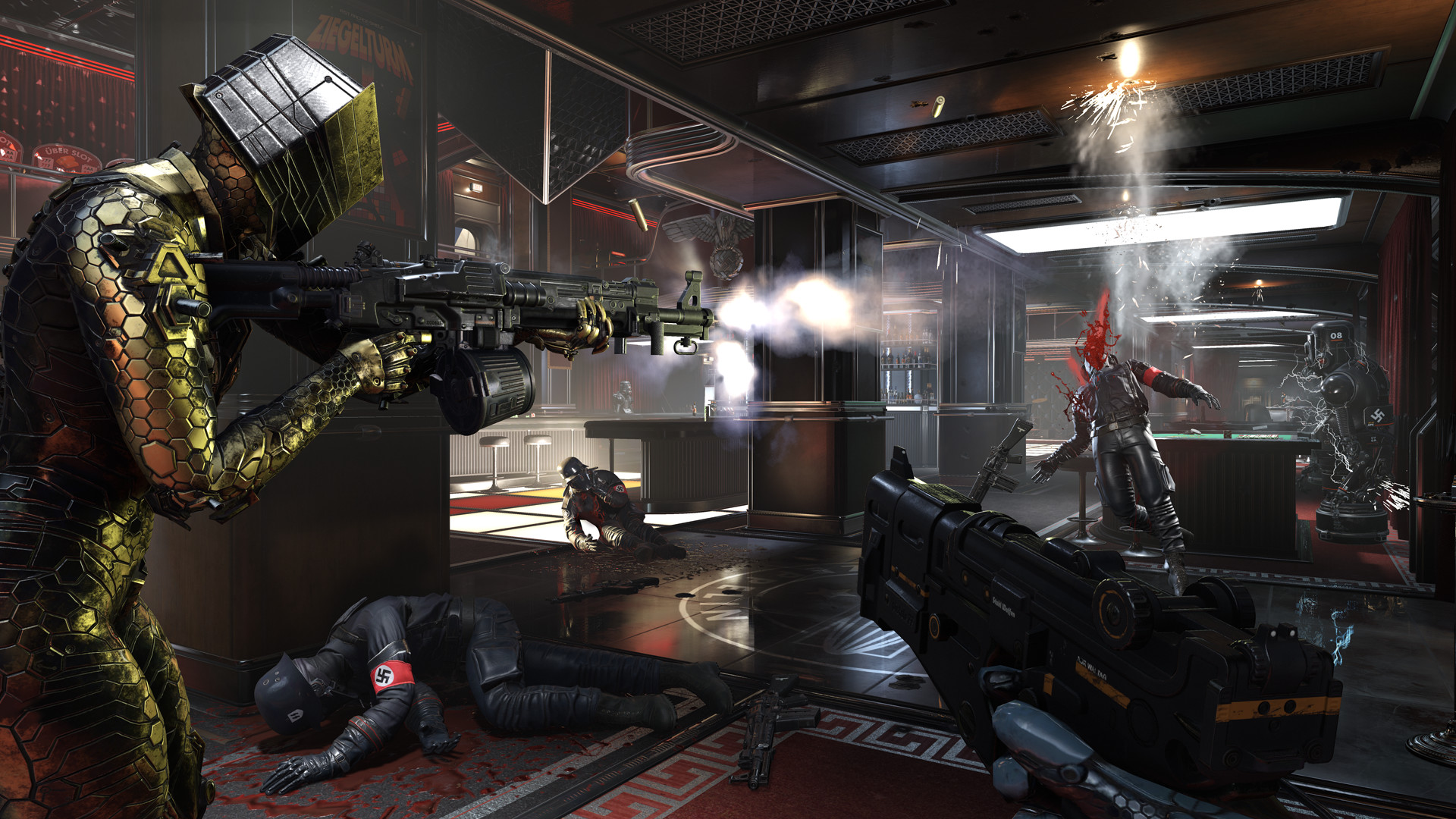
It's testament to MachineGames' success that Wolfenstein is now considered bankable, spawning a board game, VR tie-up-in, and prequel funny serial. Back in 2010, it was another story. Among Idaho's licences, Doom and Quake were top of the pile—Wolfenstein was the difficult sibling, with a history so past that it mandatory large reinvention with all attempted reboot. Developers had failing before: Guttle's 2009 iteration was a commercial disaster, condemning its team to layoffs. It's perhaps unsurprising that when asked if anybody was on the job happening a spick-and-span entry, Bethesda said MachineGames was free to try.
If Riddick thrived in the shadows, MachineGames did so on low expectations. The established traditional knowledge of Wolfenstein was a pulpy mess—a mixture of POW escape fiction, zombie repulsion, and Mecha-Adolf Hitler boss fights. Absolutely nobody was asking for it to be treated with reverence, but Matthies and a team up of majority-Starbreeze alumni told Wolfenstein: The New Rank's story with a straight face—regular as they kept the villain called Deathshead, and the protagonist named BJ.
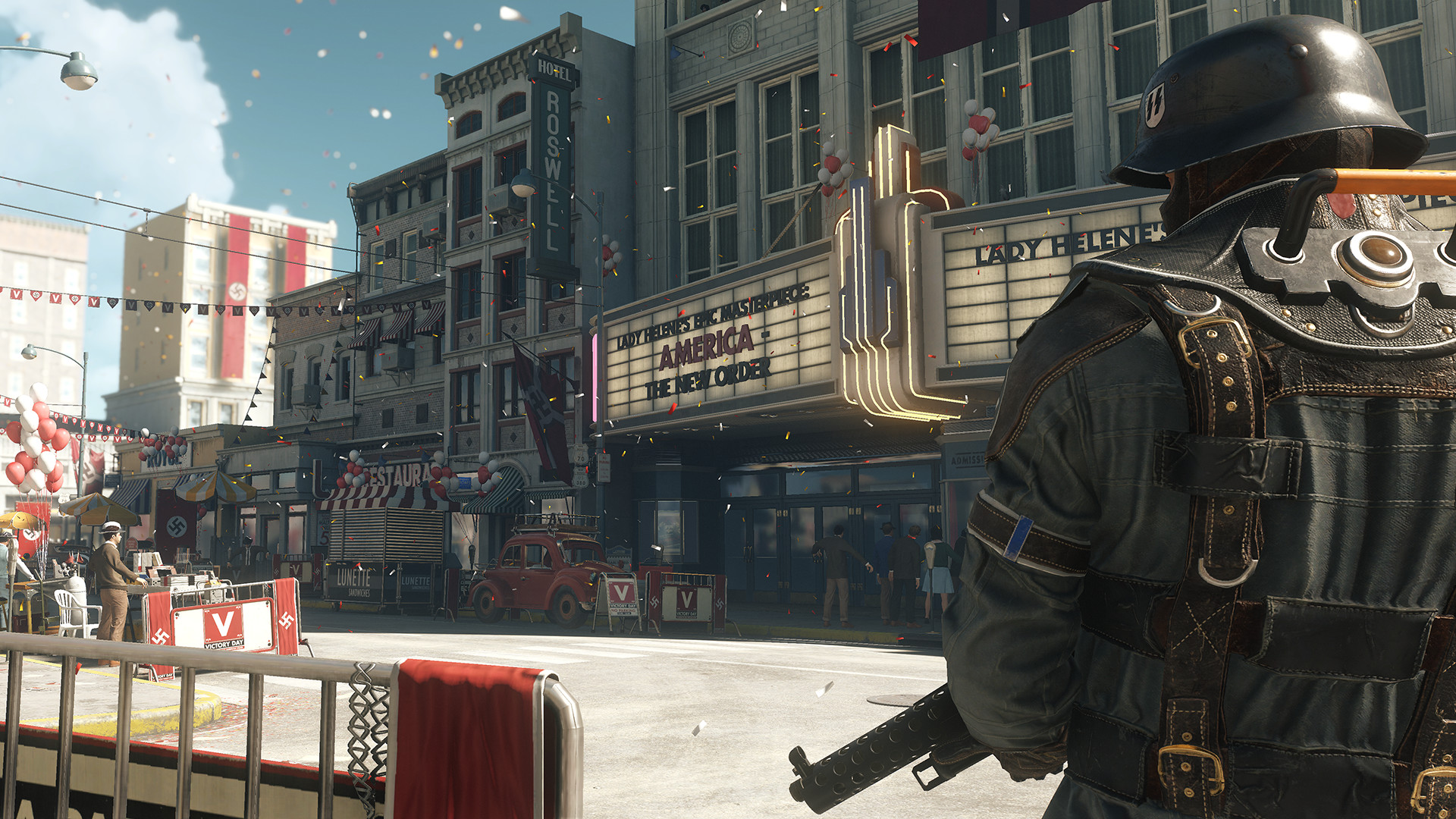
In a master stroke, the studio shifted the action from WWII to an alt-1960, in which the Nazis were the dominant force on the world represent—a conception that proved directly gripping in the fashion of the top-grade 'what if?' tales. And information technology cast Brian Bloom (himself an accomplished co-writer of Call of Duty's best stories) as Blazkowicz, lending the Polish-Dry land Jew a genuine gravity that belied his daft name.
Independent game
That juxtaposition, of the tender and the absurd, has become Wolfenstein's distinguishing quality during MachineGames' tenure. By The New Giant in 2017, it ma as if the studio apartment was deliberately pushing the rule as far-off arsenic IT could plump. In one crucial scene, BJ is decapitated in a televised execution—only for his fellow resistance fighters to catch and transplant his noggin onto a new body in an experimental procedure. The twist is played not for laughs, but to show up the lengths that a ragtag family will attend keep the unit unitedly. It's the supernatural story of MachineGames, correlative in the most audacious fashio imaginable, by an outfit at the top of its game.
In mid-January, Bethesda tweeted a teaser clip. As the television camera panned crossways a desk ariled in tomes and hand-drawn maps, it took in a typewriter bearing the legend "MACHINEGAMES", plus a Stetson and a bullwhip. The message was clear: Matthies' squad will cost taking on an Indiana Jones adaption future. In few respects, it's familiar territory—a causal agent for further Nazi-bashing, and an excuse to return to the clenched fist-fighting mechanism that helped Starbreeze stand come out of the closet. Merely in one other key aspect, information technology's terrifyingly various. For the first time, the Riddick team is facing high expectations with its new endeavour. And for that, they only have themselves to blame. WHO else taught us that licensed games could be corking?

Source: https://www.pcgamer.com/amid-terrible-spin-offs-and-cash-grabs-machinegames-is-proving-licensed-games-can-be-great/
Posted by: bryantentim1964.blogspot.com
0 Response to "Amid terrible spin-offs and cash grabs, MachineGames is proving licensed games can be great | PC Gamer - bryantentim1964"
Post a Comment