

Ctrl+Alt+Delete: Intel Alder Lake could be the death knell for clock speeds
Stance: Over the by fortnight the world of PC and laptops has been outright flooded with an ongoing body of water of HUGE news stories.
The biggest of these take undeniably been the arrival of Intel Alder Lake this calendar week, as well every bit Apple'southward latest own-brand M1 Max and M1 Pro chips.
At offset glance the fries are completely unlike and there's not much to connect them. Architecturally they're "apples" and oranges later all, with the M1 chips using an Arm architecture and Alder Lake Intel's standard x86. This means they are both, at their core, are very different components.
But for me, they both have ane key similarity that could marker the start of a cataclysmic shift in the globe of computing.
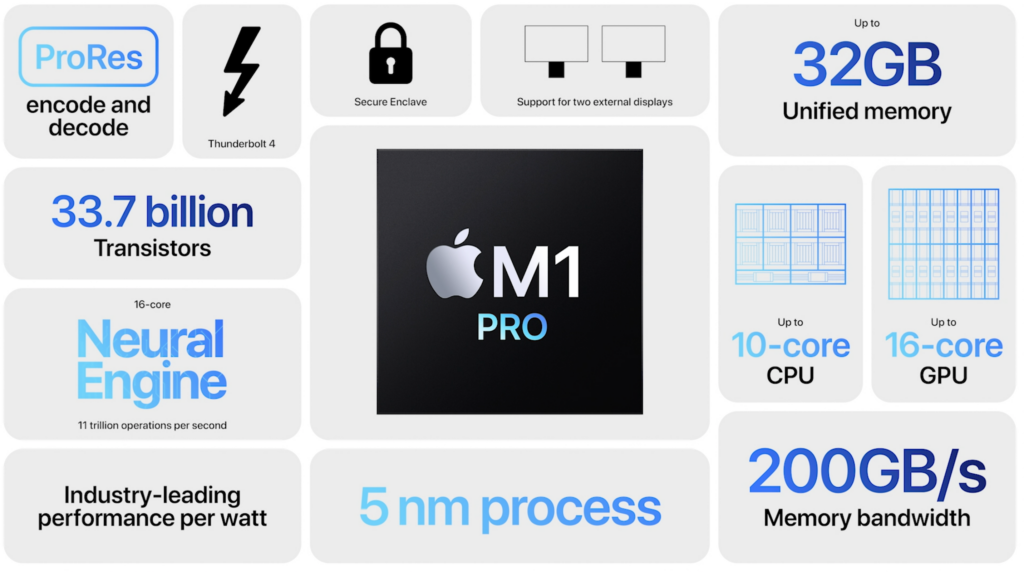
Specifically, they could be the showtime of a motility away from prioritising higher clock speeds towards a heterogeneous calculating model with a larger focus on multi-core functioning among chip makers.
Though Intel couldn't resist the urge to shout about how it had fabricated yet another "world'southward best gaming processor", the tone was very dissimilar. It spent a lot more time talking about how it had re-idea its architecture to increase power efficiency and let the CPU piece of work smarter, not harder, using a new hybrid compages.
The CPU features both performance and efficiency cores, assigning workloads to the core which is all-time suited for the job. This decision is informed by a dialogue between the flake and Windows eleven – Intel says it works on Linux "just not as well".
So, for example, burn down up CyberPunk 2077 and it'll push the workload to performance cores, switch to browsing the web and it'll assign the task to efficiency cores. Audio familiar? It should, Apple explained its M1 fries multi-core organisation in a similar way.
What I find interesting is that, though clock speeds do nevertheless matter, every chip maker at the moment seems to take retired it equally the become-to "large number" for marketing. The same affair happened with megapixels as a metric of camera quality, later people realised having a high MP count didn't necessarily translate into better photos.
This is a good matter in my heed, every bit a higher clock speed, while benign, doesn't mean a CPU will exist overall a meliorate performer. We've known this for years thanks to the arrival of AMD'southward Ryzen chips, which since launching take carved a space equally the best chips for artistic work thank you to their superior multicore operation.
Many artistic suites like Blender, Studio Max, Vector Works, Final Cut Pro and Adobe Premiere all back up multi-threading, which ways they actually run ameliorate on CPUs with solid multi-core performance than those with loftier clock speeds.
This 'hybrid architecture' arroyo lets a CPU employ different cores to handle different workloads rather than doing i matter really fast at a time.
Given how many more applications are being optimised to run this way, I believe that a full general move away from prioritising clock speeds towards a heterogeneous calculating model will be a peachy thing for the industry.
Ctrl+Alt+Delete is our weekly computing-focussed stance column where we delve deeper into the globe of computers, laptops, components, peripherals and more. Notice it on Trusted Reviews every Saturday afternoon.
You might like…

Source: https://www.trustedreviews.com/opinion/ctrlaltdelete-intel-alder-lake-could-be-the-death-knell-for-clock-speeds-4176504
Posted by: bryantentim1964.blogspot.com
0 Response to "Ctrl+Alt+Delete: Intel Alder Lake could be the death knell for clock speeds"
Post a Comment